
When Rehab Ends but Recovery Is Just Beginning: Bridging the Gap With a Sober Companion
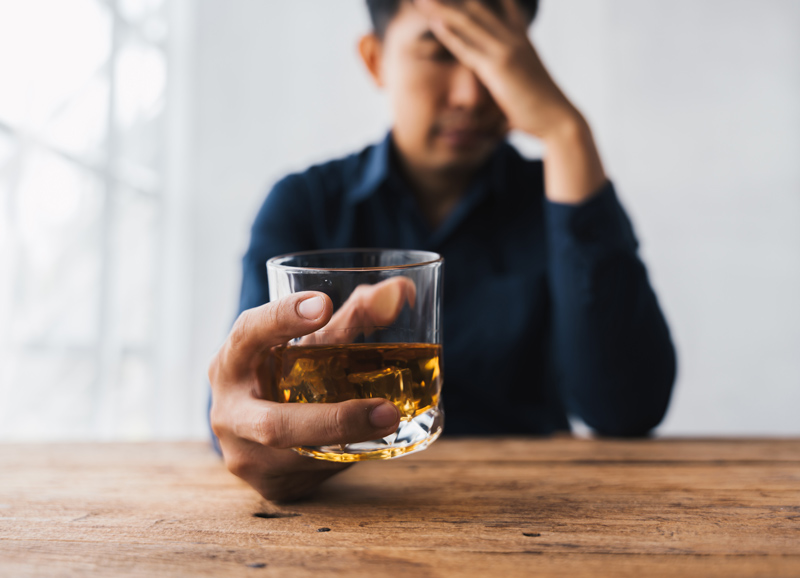
Completing a rehabilitation program is an important accomplishment, but leaving treatment does not mean the recovery process is complete. In many ways, it is just beginning.
Inside a treatment program, individuals often benefit from structure, accountability, scheduled activities, professional support, and separation from many of the people, places, and situations associated with substance use. Returning home can change that environment almost overnight.
Suddenly, the individual may be faced with familiar triggers, family dynamics, work responsibilities, social situations, and everyday stress without the structure that surrounded them in treatment. This transition can be one of the most important periods in the recovery process.
At Sober Companion Florida, we help individuals and families bridge the gap between structured treatment and independent living through personalized, one-on-one recovery support.
The Transition From Rehab to Everyday Life
Rehab can provide a strong foundation for recovery, but eventually the lessons learned in treatment must be applied to real life.
Returning home may mean reconnecting with family, going back to work, attending social events, traveling, managing responsibilities, and learning how to handle difficult situations without returning to alcohol or drugs.
For someone in early recovery, even seemingly ordinary situations can become challenging.
This is where a sober companion can provide an additional layer of support. Rather than asking someone to navigate the transition alone, a sober companion is there alongside the individual as they begin putting their recovery into practice.
Creating Structure After Treatment
Structure can be extremely valuable during early recovery. In treatment, much of a person’s day is planned. At home, that structure can quickly disappear.
A sober companion can help establish a healthy daily routine that may include recovery meetings, exercise, appointments, work or school responsibilities, healthy meals, family time, and other productive activities.
The objective is not simply to keep someone busy. It is to help create a lifestyle that supports long-term recovery.
Over time, following a consistent routine can also help individuals rebuild confidence, independence, and a sense of purpose.
Accountability in Real-World Situations
Recovery does not happen in isolation. Eventually, individuals must learn how to navigate situations that cannot always be recreated inside a treatment facility.
A sober companion can provide support during these real-world experiences.
That may include accompanying a client while traveling, attending social or professional events, helping establish a local recovery network, encouraging participation in meetings, or simply being present during difficult moments.
For families, knowing that someone experienced in recovery support is present can also provide reassurance during a potentially uncertain transition.
Building a Sober Support Network
One of the most valuable parts of long-term recovery can be developing meaningful connections with other sober people.
A sober companion can help introduce clients to recovery meetings and encourage them to begin building relationships with people who understand the challenges of maintaining sobriety.
For younger clients in particular, finding meetings and sober peers within their age group can help demonstrate that a fulfilling social life does not have to disappear because they have chosen recovery.
The goal is ultimately to help the client develop their own support system and become increasingly independent.
Personalized Recovery Support
Every individual’s circumstances are different. Some people may benefit from 24-hour sober companion support immediately after leaving treatment, while others may need assistance for specific periods, travel, major transitions, or challenging situations.
The appropriate level of support depends on the individual, their environment, their recovery history, and the recommendations of their treatment team.
Sober companions can also collaborate with therapists, clinicians, treatment professionals, and family members when appropriate to help maintain continuity of care.
Recovery Doesn’t End When Rehab Does
Walking out the doors of a treatment center can be both exciting and intimidating. Treatment may provide the foundation, but recovery must ultimately be practiced in everyday life.
Having experienced support during this transition can help an individual establish structure, remain accountable, build a sober network, and begin creating a life that supports continued recovery.
Sober Companion Florida provides private, discreet sober companion and recovery support services throughout Florida and beyond. Whether someone is returning home from treatment, recovering after a relapse, traveling, or simply needs additional support during a challenging period, our team provides individualized assistance based on each client’s unique circumstances.
Recovery is a process—and no one has to navigate the earliest stages alone.